
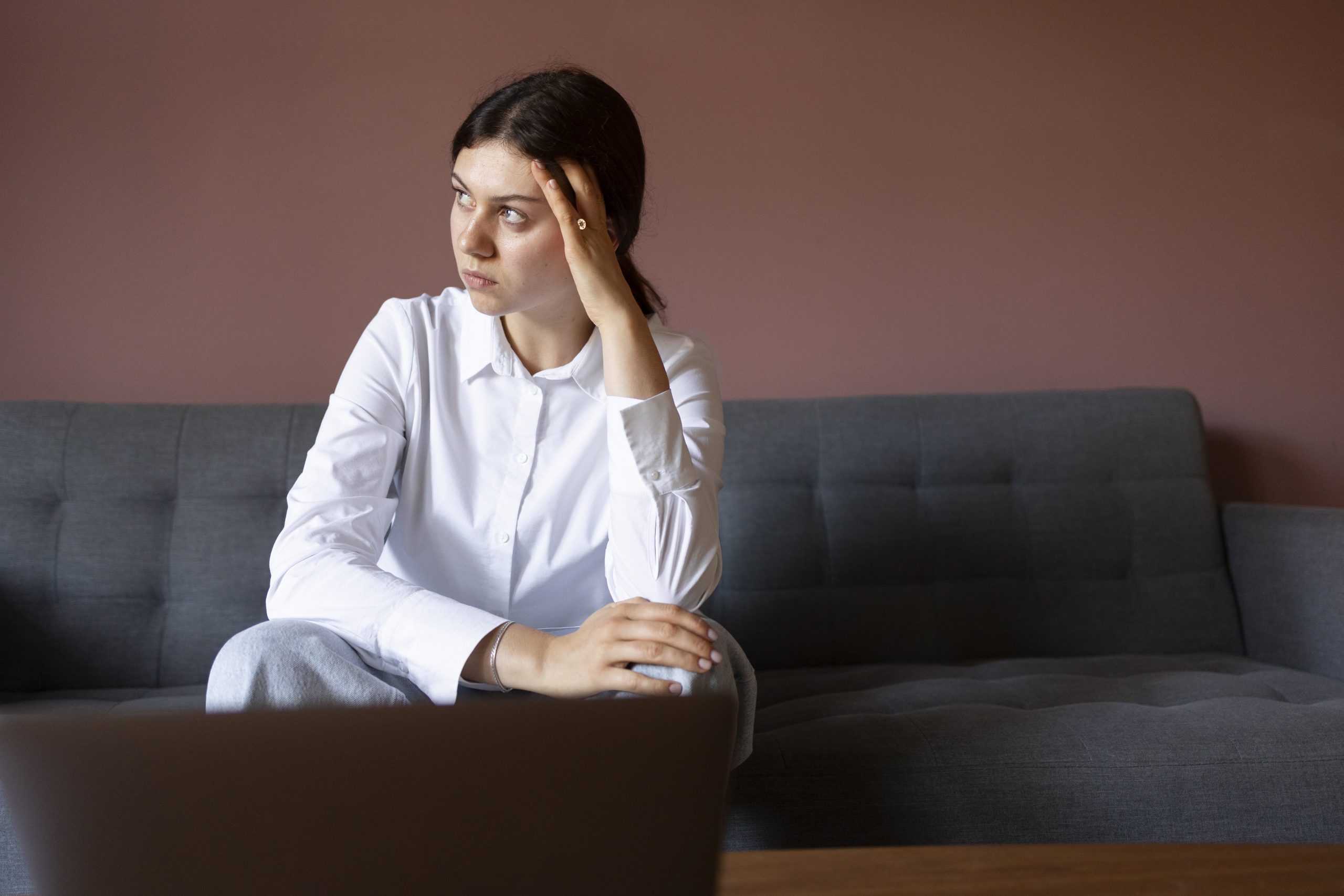
Anxiety can affect your thoughts, emotions, physical health, and daily routine. While occasional worry is a normal response to stress, persistent anxiety can become difficult to manage and may interfere with work, relationships, sleep, and other responsibilities. If you are already experiencing anxiety symptoms, certain habits and situations can make them feel more intense.
Understanding what makes anxiety worse can help you recognize potential triggers and make healthier choices. Although everyone experiences anxiety differently, identifying patterns in your daily life can be an important part of learning to manage symptoms more effectively.
Anxiety disorder can become more difficult to manage when the nervous system is repeatedly exposed to stress without adequate opportunities for recovery. Everyday habits, emotional stressors, and certain thought patterns may contribute to increased worry and physical discomfort.
Some common factors include poor sleep, excessive caffeine, ongoing stress, social isolation, and avoiding situations that create fear. These factors do not necessarily cause an anxiety disorder, but they can intensify existing symptoms.
Caffeine can increase alertness, but too much may also contribute to symptoms that feel similar to anxiety. Coffee, energy drinks, tea, and some supplements can increase heart rate, restlessness, and difficulty sleeping.
For someone already experiencing anxiety, these physical sensations may trigger additional worry. Reducing caffeine, particularly later in the day, may help minimize unnecessary stimulation and support better sleep.
Poor sleep and anxiety can create a difficult cycle. Anxiety may make it harder to fall asleep or stay asleep, while insufficient sleep can make it more difficult to regulate emotions and cope with stress the following day.
Maintaining a consistent sleep schedule can help support emotional balance. Creating a relaxing bedtime routine and limiting stimulating activities before sleep may also make it easier for your body and mind to wind down.
Rest gives the nervous system an opportunity to recover from the demands of the day. When sleep is consistently disrupted, everyday stressors may feel more overwhelming, making anxious thoughts and physical anxiety symptoms harder to manage.
When anxiety creates uncertainty, it can be tempting to repeatedly search for reassurance. Checking symptoms online, asking others whether everything is okay, or repeatedly reviewing situations may provide temporary relief.
However, constant reassurance can reinforce the idea that uncertainty is dangerous. Learning to tolerate some uncertainty can gradually reduce dependence on reassurance and help you develop greater confidence in your ability to cope.
Avoidance can provide immediate relief, but consistently avoiding people, places, or situations associated with anxiety may strengthen the fear over time.
For example, someone with social anxiety may begin avoiding gatherings because they feel uncomfortable around others. Although staying home may temporarily reduce anxiety, it can make future social situations feel even more intimidating.
With appropriate support, gradually facing manageable challenges can help build confidence and improve coping skills.
Long-term stress can keep the body’s stress response activated and make anxiety symptoms more difficult to control. Work pressures, relationship difficulties, financial concerns, and unresolved emotional experiences can all contribute to increased stress.
Social isolation can also make treatment anxiety harder to manage. Staying connected with trusted friends, family members, or supportive professionals can provide perspective and emotional support during difficult periods.
Practices such as mindfulness, physical activity, relaxation exercises, and healthy routines may also help reduce the impact of everyday stress.
If anxiety is persistent, overwhelming, or interfering with your daily responsibilities, professional support may be appropriate. Signs that it may be time to seek an evaluation include ongoing excessive worry, difficulty concentrating, sleep disturbances, panic symptoms, muscle tension, or anxiety that affects relationships, work, or social activities.
Treatment may include psychotherapy, medication management when appropriate, mindfulness and stress reduction strategies, or a combination of approaches. A personalized evaluation can help identify the factors contributing to your symptoms and determine an appropriate treatment plan.
At Alpha Health & Wellness, Stephanie Dockins, PMHNP-BC, and the care team take a holistic approach to anxiety treatment, considering emotional, physical, and practical factors while developing individualized strategies for managing symptoms.
Knowing what makes anxiety worse can help you identify habits and circumstances that may be intensifying your symptoms. Excessive caffeine, poor sleep, constant reassurance-seeking, avoidance, chronic stress, and isolation can all make anxiety more difficult to manage.
You do not have to navigate persistent anxiety alone. With appropriate support and evidence-based treatment, it is possible to develop healthier coping strategies, improve emotional balance, and regain greater control over your daily life.

About the Author
Stephanie Dockins, PMHNP-BC, FNP-C
Take the First Step Toward a More Balanced & Fulfilling Life
August 4, 2026
Explore More Blogs
Our team is here to provide the expert guidance and compassionate support you deserve.