
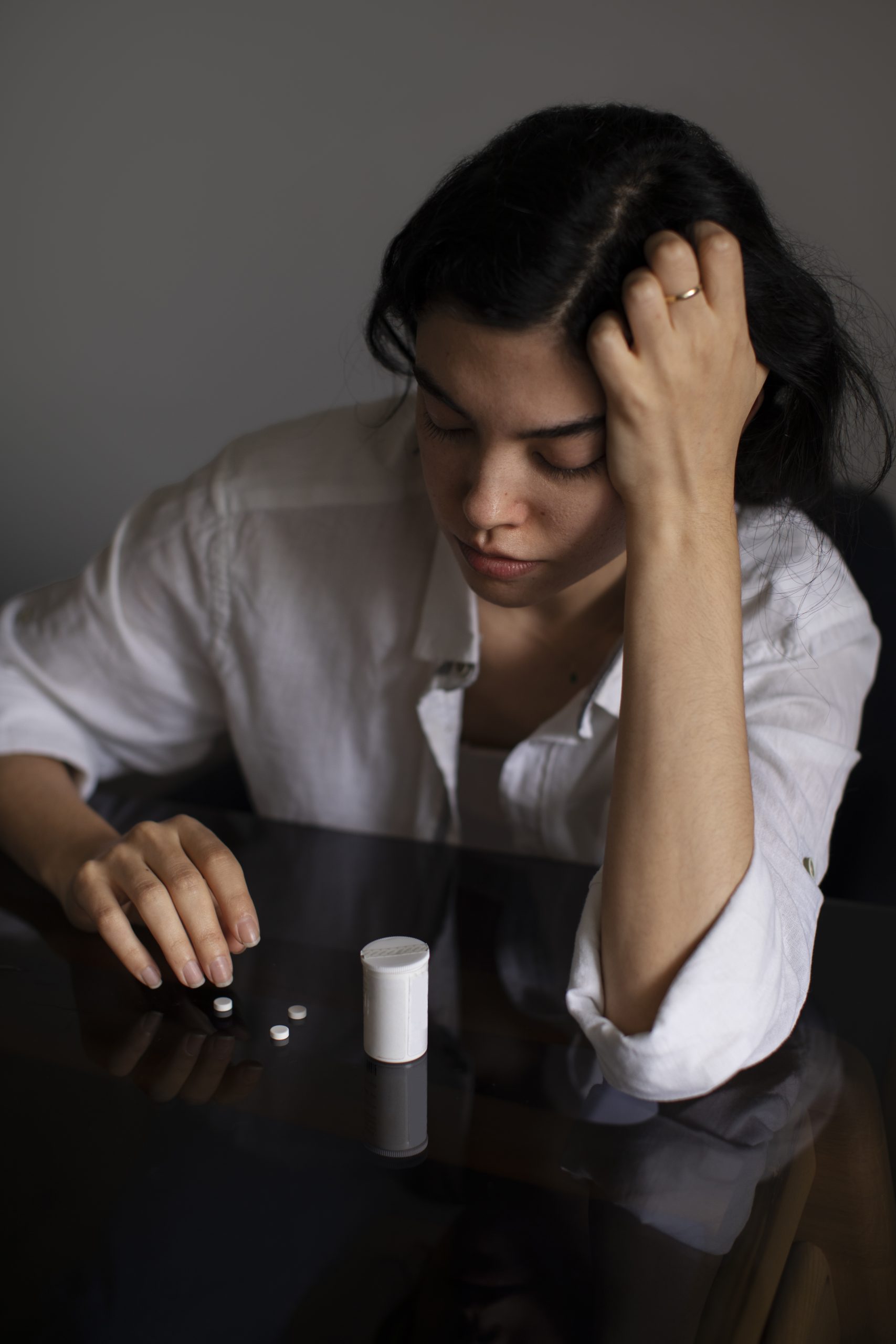
Feeling sad or emotionally overwhelmed after a difficult experience is a normal part of life. Losing a relationship, experiencing financial problems, dealing with a major transition, or going through another stressful event can affect your mood for a period of time. However, not all forms of depression develop in the same way or require the same approach to treatment.
Understanding situational vs clinical depression can help you recognize the differences between a temporary response to difficult circumstances and a more persistent mental health condition. Although the two can share similar symptoms, their causes, duration, and impact on daily functioning may differ.
Situational depression describes depressive symptoms that develop following a significant stressful or upsetting event. It may occur after circumstances such as a divorce, job loss, relationship difficulties, bereavement, financial problems, or a major life transition.
The emotional response is connected to a recognizable stressor, and symptoms may improve as the person adjusts to the situation or develops healthier ways to cope.
Situational depression can still be serious. Even when symptoms are triggered by an identifiable event, they can affect sleep, concentration, relationships, work, and daily responsibilities.
Clinical depression, commonly referred to as major depressive disorder, is a mental health condition characterized by persistent changes in mood, interest, thinking, and physical functioning.
A person with clinical depression may experience symptoms even when there is no obvious external event that explains their emotional state. Depression can develop through a combination of biological, psychological, genetic, and environmental factors.
Common symptoms may include persistent sadness or emptiness, loss of interest in previously enjoyable activities, changes in sleep or appetite, fatigue, difficulty concentrating, feelings of worthlessness, and hopelessness.
When these symptoms persist and significantly interfere with daily functioning, a professional evaluation can help determine whether clinical depression may be present.
The most noticeable difference between situational vs clinical depression is often the relationship between symptoms and the circumstances surrounding them.
Situational depression generally develops in response to a specific stressful event or life circumstance. Clinical depression may occur with or without an identifiable trigger.
Situational symptoms may lessen as someone adapts to the stressful situation or receives appropriate support. Clinical depression tends to be more persistent and may continue even after circumstances improve.
Both forms can interfere with daily life. However, clinical depression may produce broader and more persistent impairment across work, relationships, self-care, and other responsibilities.
Someone experiencing situational depression may continue to have periods of positive emotion or relief when circumstances improve. Clinical depression can cause a more pervasive loss of pleasure and emotional engagement.
These differences are not always clear-cut, which is why a professional assessment is important.
In some cases, ongoing stress and unresolved emotional difficulties may contribute to a more persistent depressive condition. What begins as an understandable response to a difficult situation should not be dismissed if depression symptoms continue or become increasingly disruptive.
Similarly, clinical depression can occur after a stressful event. Having an obvious trigger does not automatically mean that symptoms are only situational.
If sadness, hopelessness, fatigue, loss of interest, or other symptoms persist, seeking an evaluation can help clarify what you are experiencing and what type of support may be appropriate.
Treatment depends on the individual’s symptoms, circumstances, and overall health. Situational depression may respond well to psychotherapy, supportive counseling, stress management, and lifestyle changes that help a person adapt to challenging circumstances.
Clinical depression may require a more comprehensive approach. Treatment can include psychotherapy, medication management, mindfulness and stress reduction techniques, lifestyle modifications, or a combination of these strategies.
Treatment can also help individuals understand the factors contributing to depression and develop healthier coping skills for managing future challenges.
At Alpha Health & Wellness, care is personalized to each individual’s needs. Stephanie Dockins, PMHNP-BC, takes a holistic approach that considers emotional, physical, and practical factors when developing treatment strategies.
You do not have to wait until depression becomes severe before seeking help. Consider an evaluation if symptoms last for two weeks or longer, interfere with your responsibilities, affect relationships, disrupt sleep or appetite, or make it difficult to participate in activities you previously enjoyed.
Professional support can also be valuable when you are uncertain whether your symptoms are related to a specific life event or may indicate a clinical condition.
Understanding situational vs clinical depression can help explain why depressive symptoms develop and how they may affect your life. Situational depression is generally associated with a specific stressor, while clinical depression is a persistent mental health condition that can develop with or without an obvious trigger.
Because the symptoms can overlap, an accurate distinction is not always possible without professional evaluation. If depression is affecting your daily functioning or continuing despite changes in your circumstances, seeking appropriate support can be an important step toward recovery.

About the Author
Stephanie Dockins, PMHNP-BC, FNP-C
Take the First Step Toward a More Balanced & Fulfilling Life
August 7, 2026
Explore More Blogs
Our team is here to provide the expert guidance and compassionate support you deserve.